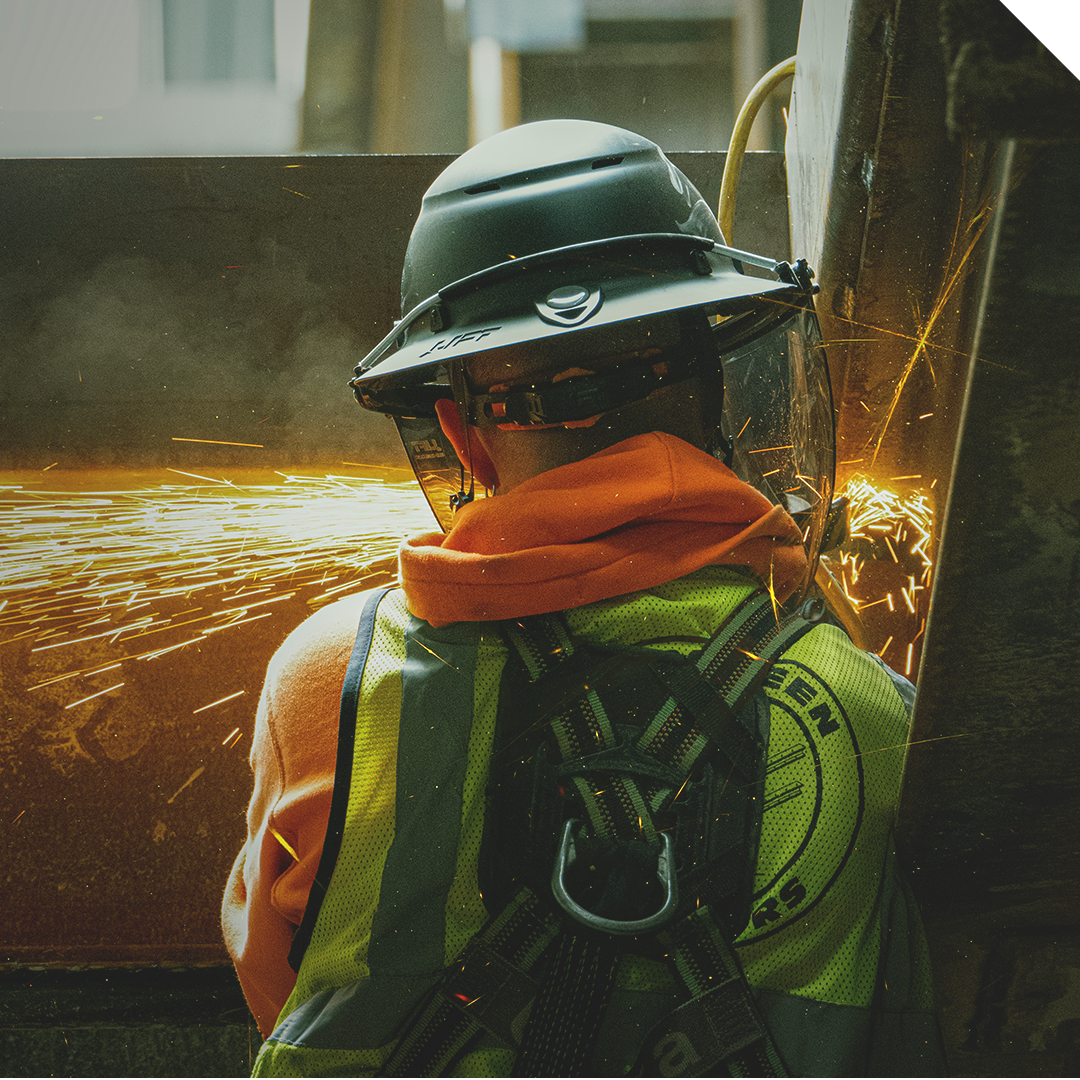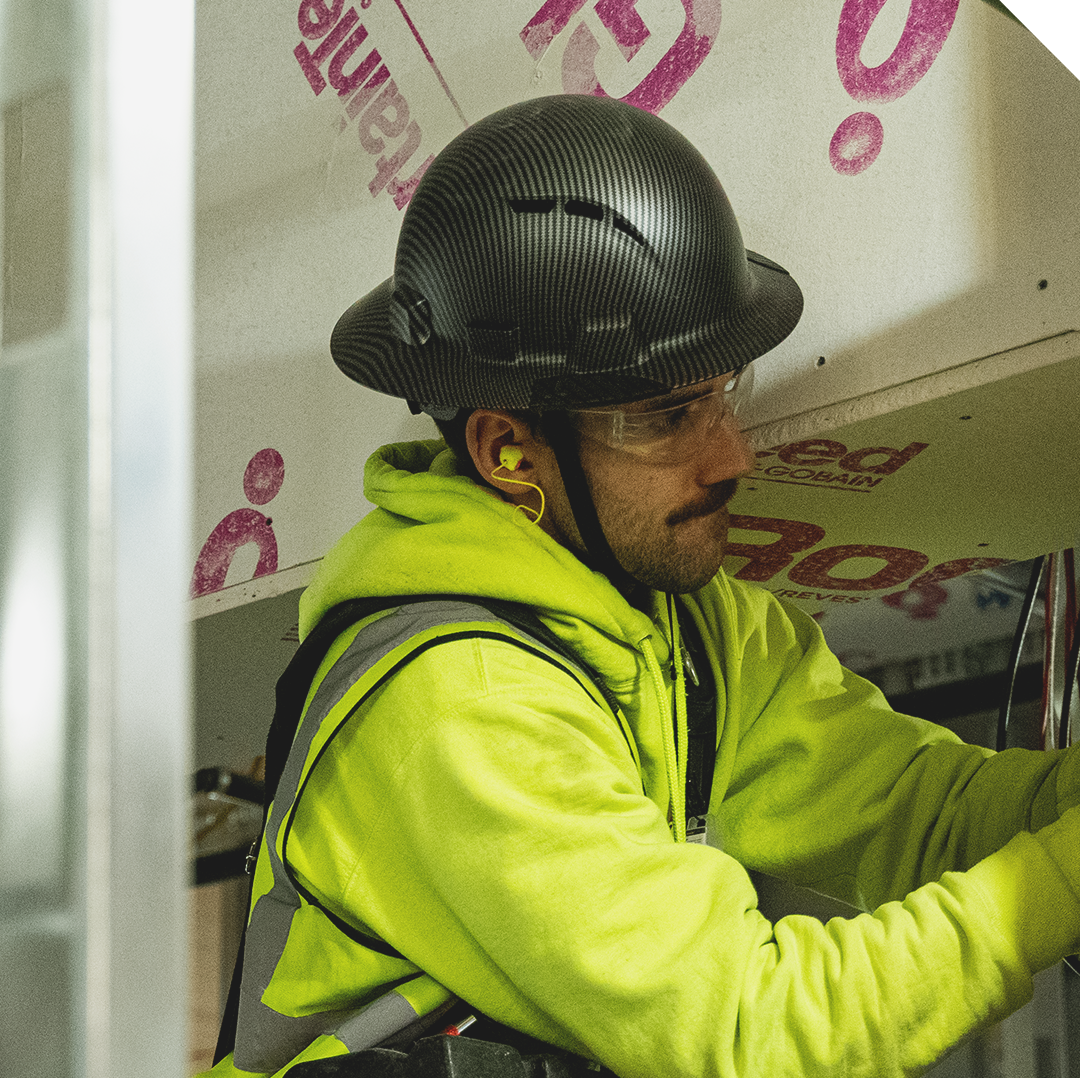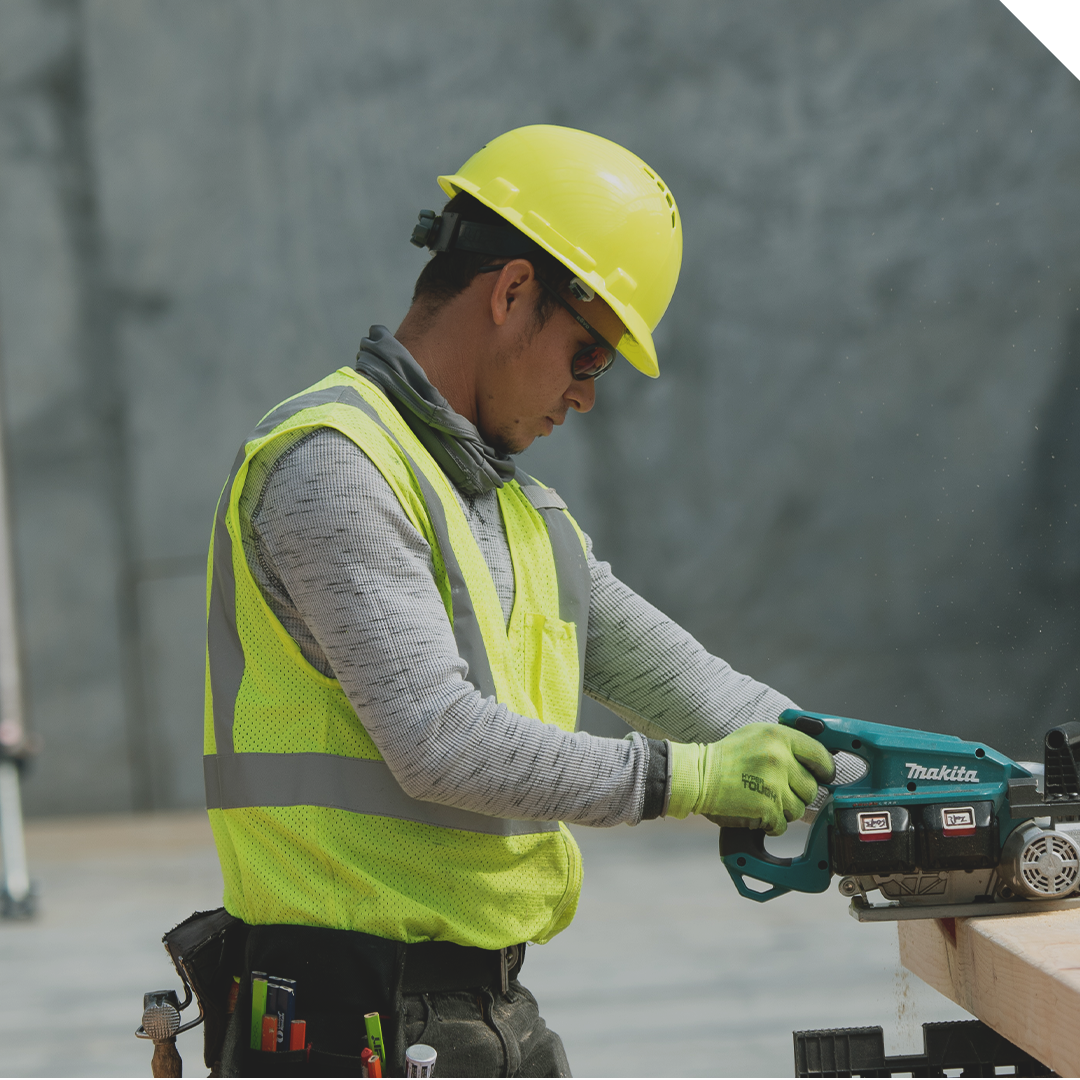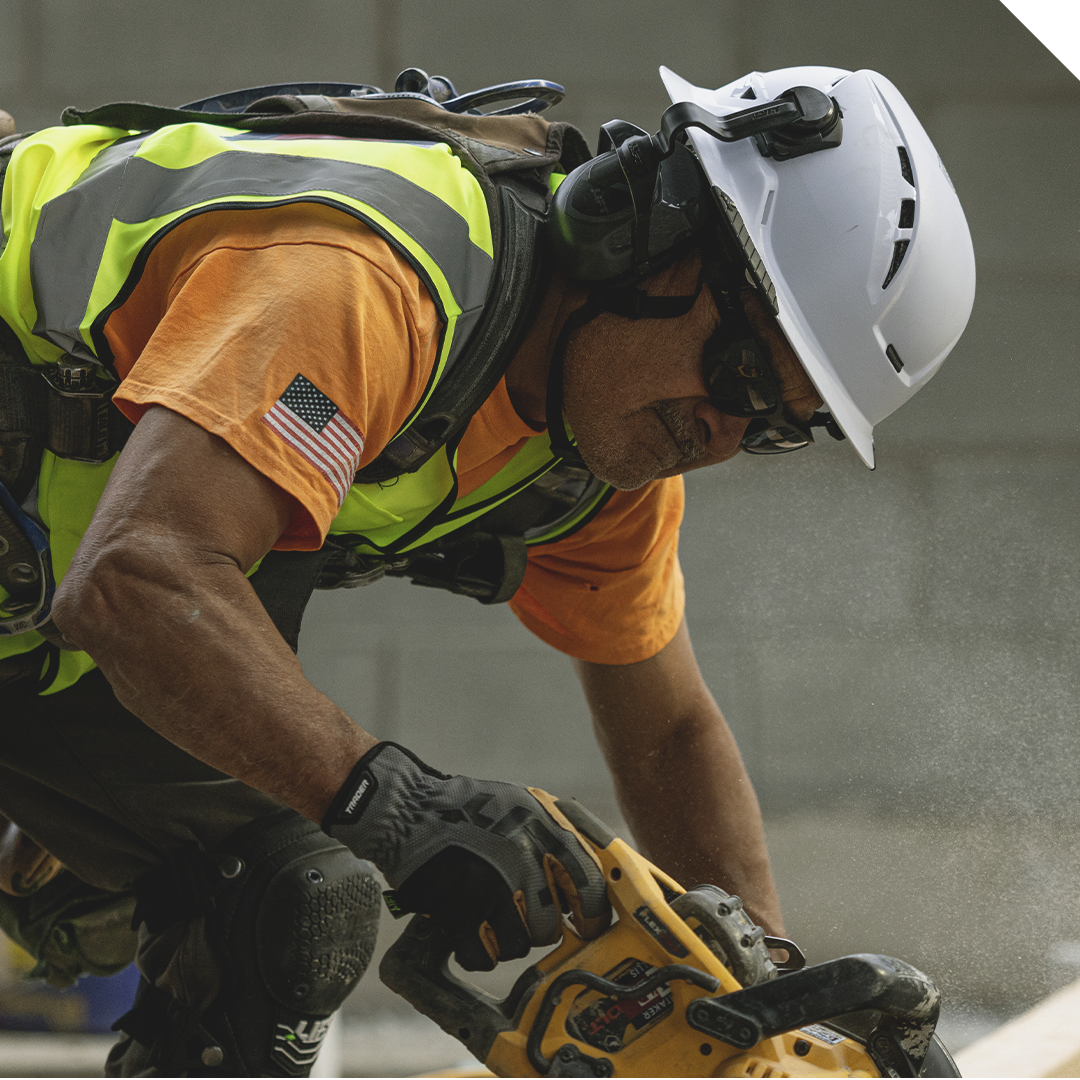
DAX Hard Hats
DAX Hard Hats
ANSI Type 1, G or C Rated
DAX T2 & RADIX Head Protection
ANSI Type 2, E or C Rated
iDAX Hard Hats
ANSI Type 1, E or C Rated
BRIGGS Hard Hats
ANSI Type 1, E or C Rated
Hard Hat Accessories
Hearing Protection, Head Lamps & More
Pro Series Gloves
August 18, 2026 1 min read
ost workplace accidents don't happen because someone lacks experience. They happen because people are distracted, rushed, or simply going through the motions. That is why the beginning and end of a shift can be some of the highest-risk periods of the day.
At the start of a shift, crews are still settling in. Equipment is being moved, work plans are changing, and workers may be distracted by what's waiting for them outside of work. At the end of a shift, fatigue sets in. People want to finish quickly and get home. Small shortcuts suddenly feel harmless. Unfortunately, those are often the moments when mistakes happen.
Here are a few simple habits that can help reduce risk:
Start with a safety conversation. A quick toolbox talk or "safety moment" gets everyone aligned on the day's hazards and expectations.
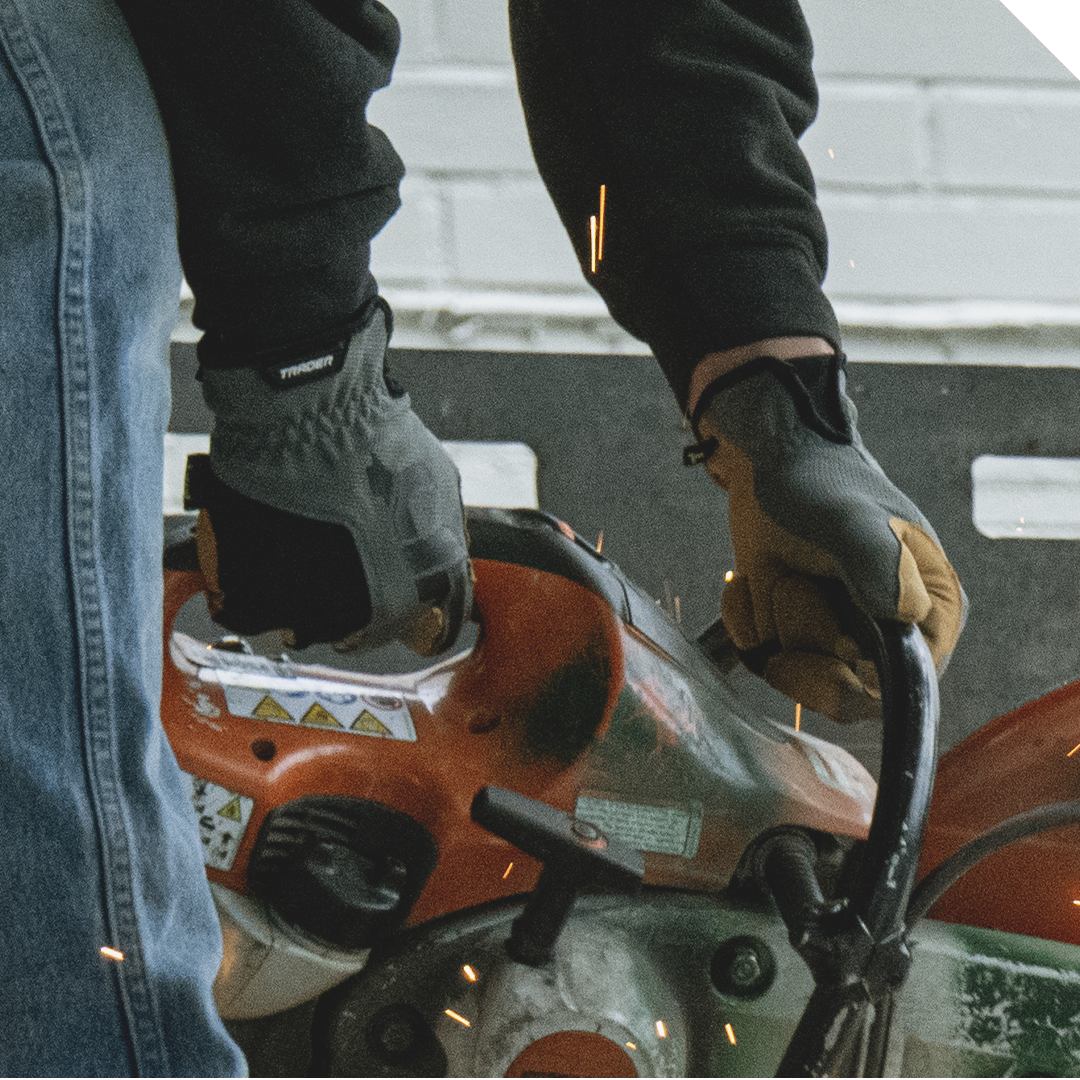
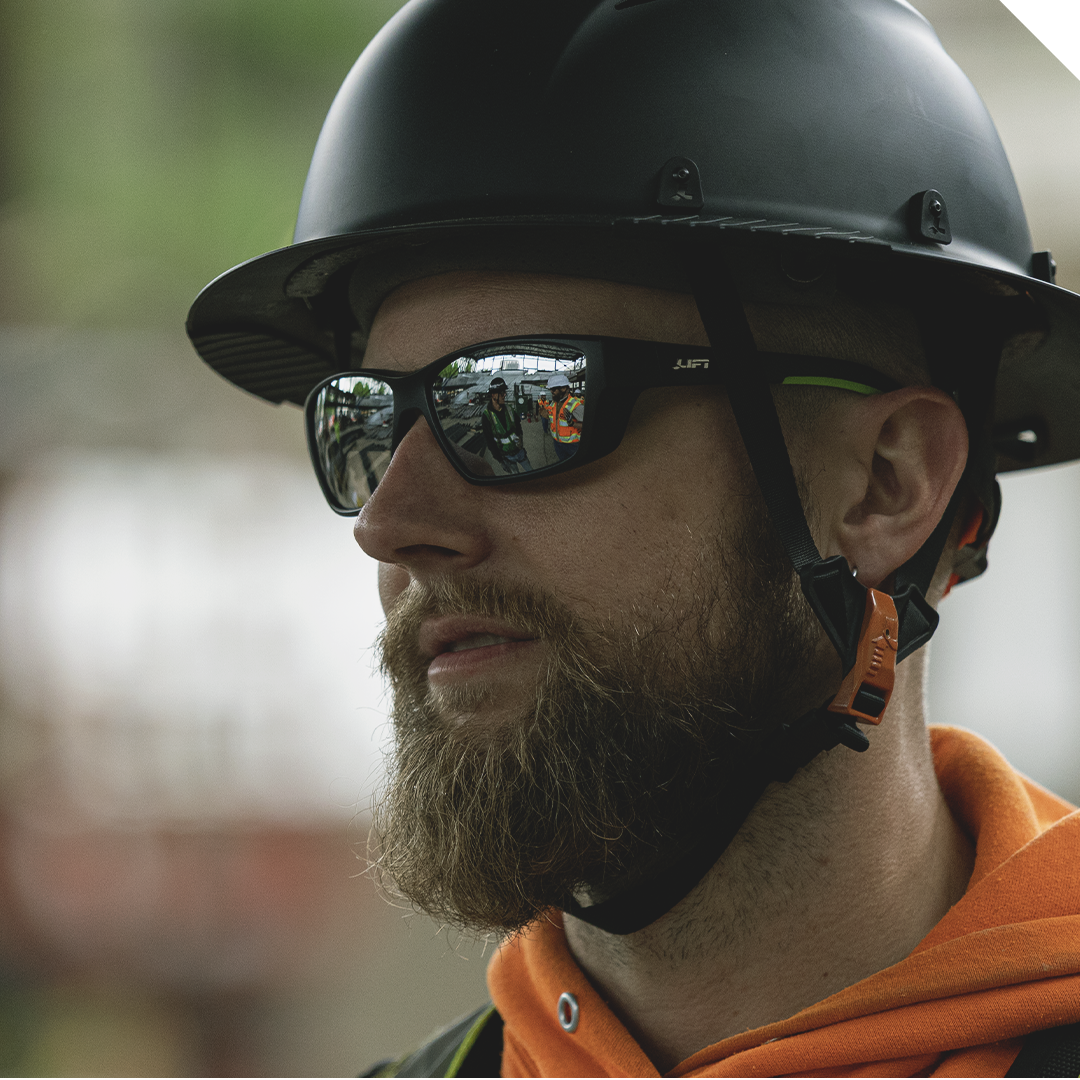
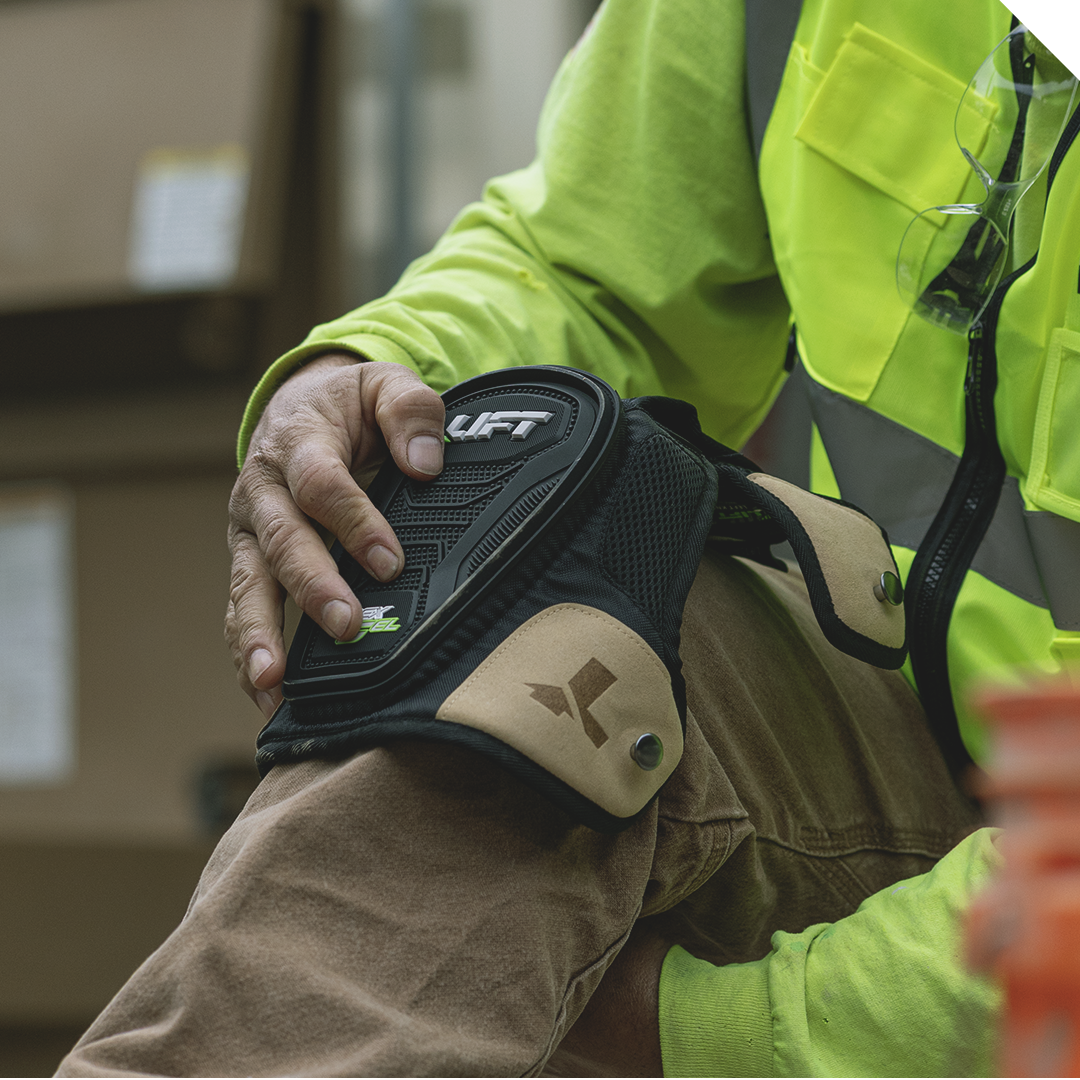
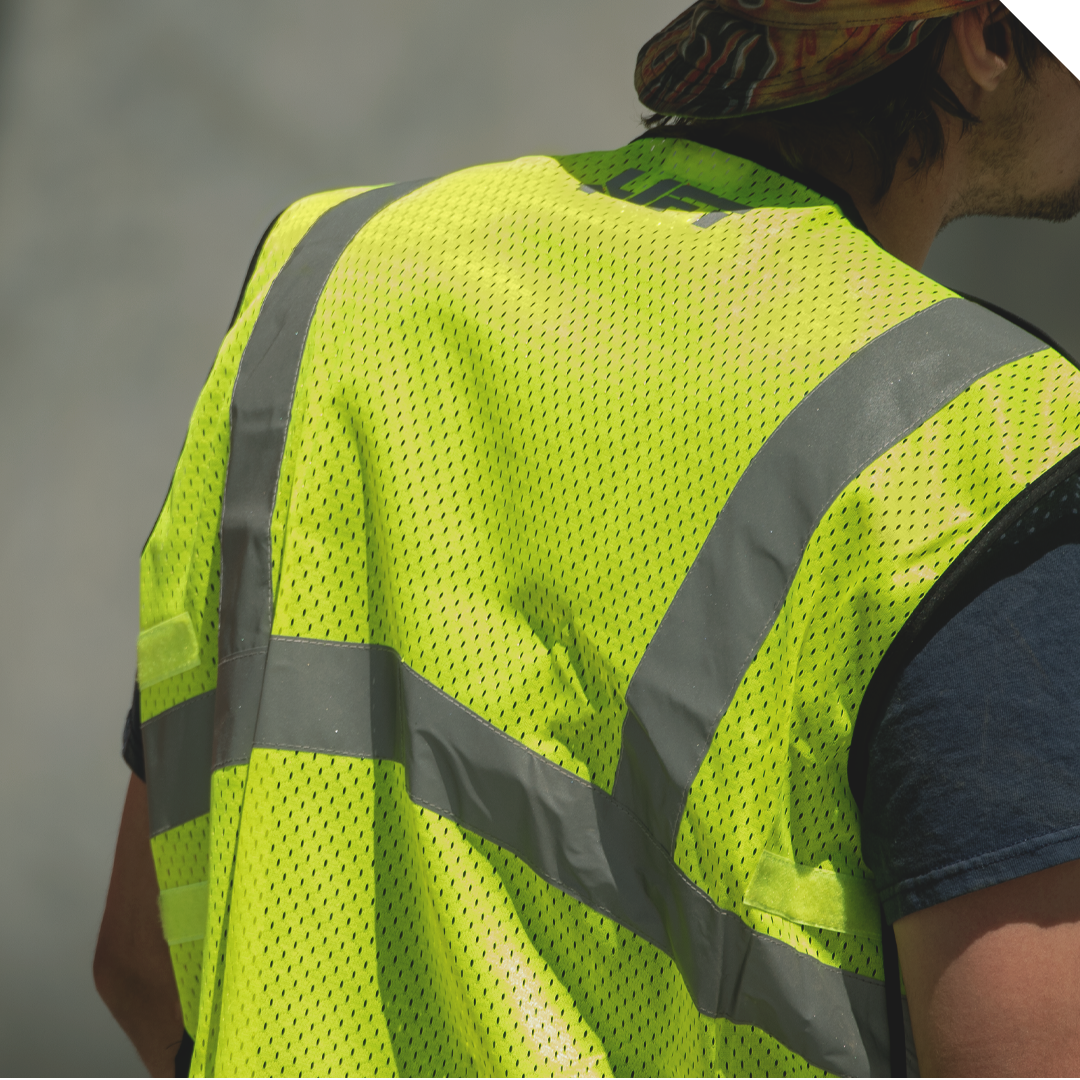
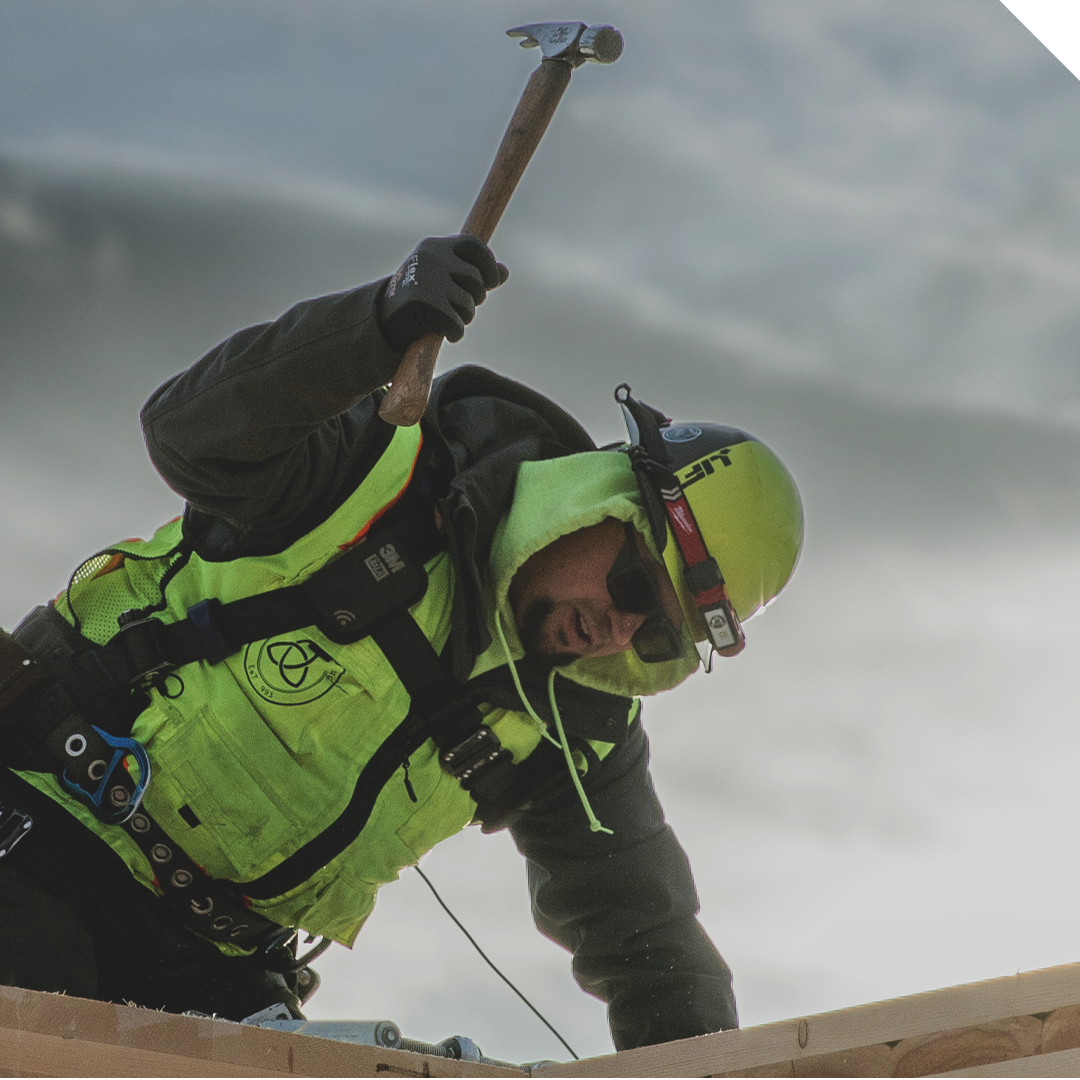
Don't skip the basics. It sounds obvious, but PPE like proper head protection, work gloves, eyewear and more only protect you if you're wearing it. Take an extra minute to gear up properly before starting work.
Fight complacency. The tasks you've done a thousand times deserve the same attention as the tasks you're doing for the first time.
Look out for your crew. Sometimes the best safety intervention is a simple reminder from a coworker.
Comments will be approved before showing up.
Sign up to get the latest on sales, new releases and more …